The Role of Modern Recreation Spaces
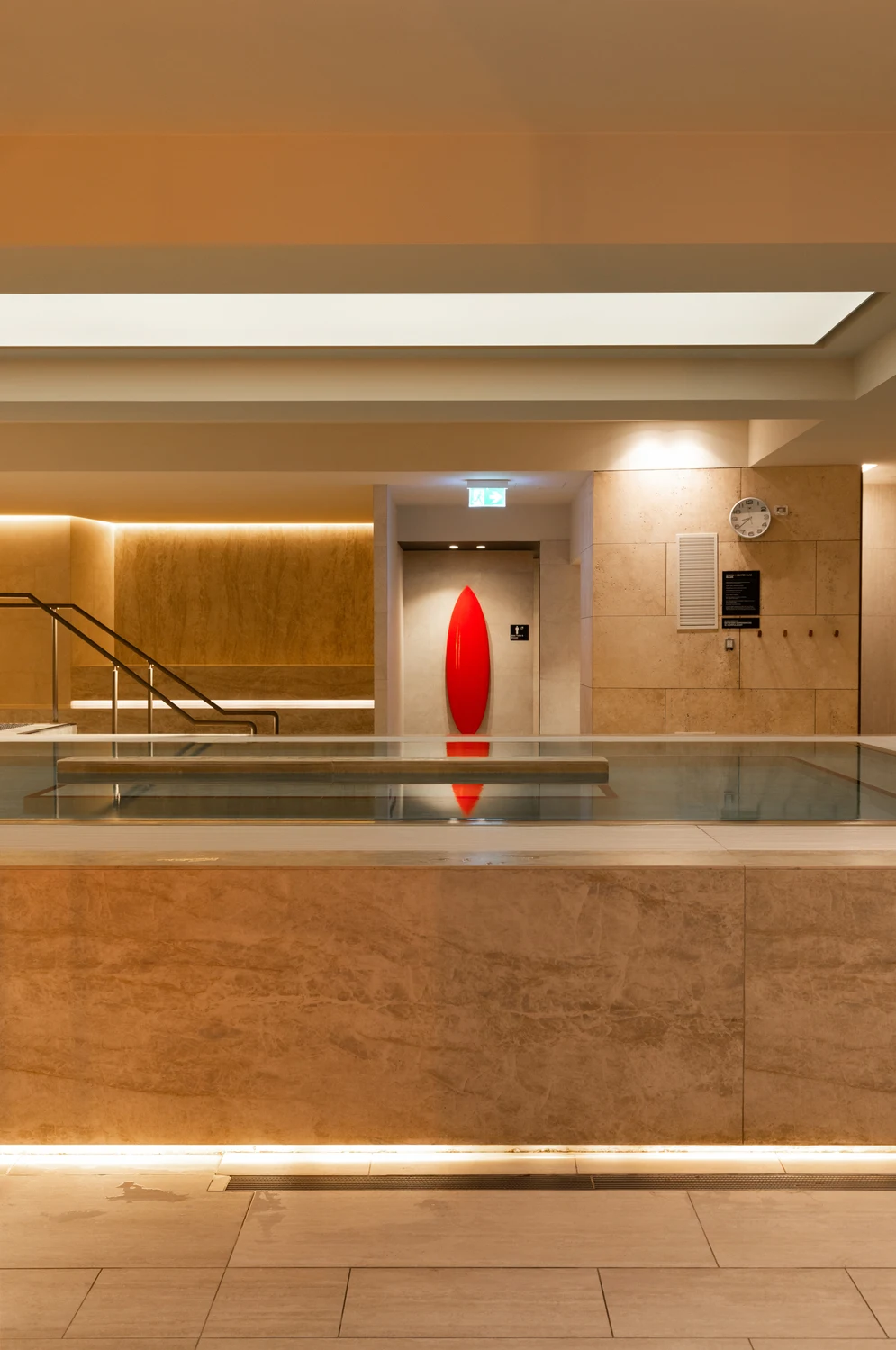
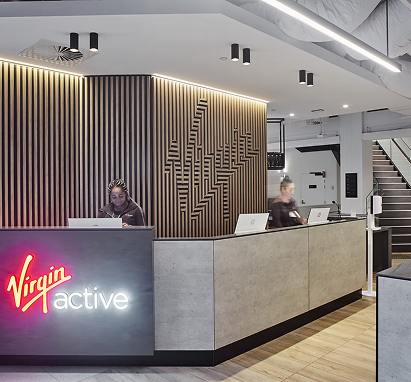
Sport and recreation facilities have evolved far beyond their traditional purpose, becoming essential social and cultural infrastructure within communities. Today, these spaces are designed not only to support physical activity but also to foster connection, inclusivity, and wellbeing. Whether it’s a local community hub or a large-scale sports precinct, these environments play a critical role in shaping how people gather, interact, and engage with their surroundings. A well-designed facility can energize a neighborhood, encourage active lifestyles, and create a sense of identity and pride within the community it serves.
Recreation design balances performance, user experience, and environmental responsibility. Spaces must meet athletes’ technical needs while ensuring comfort for spectators. Sustainable design is crucial, focusing on energy efficiency and durable materials. Integrating these elements allows designers to create high-performing spaces that lower costs and positively impact the environment.
Balancing Performance, Experience, and Sustainability
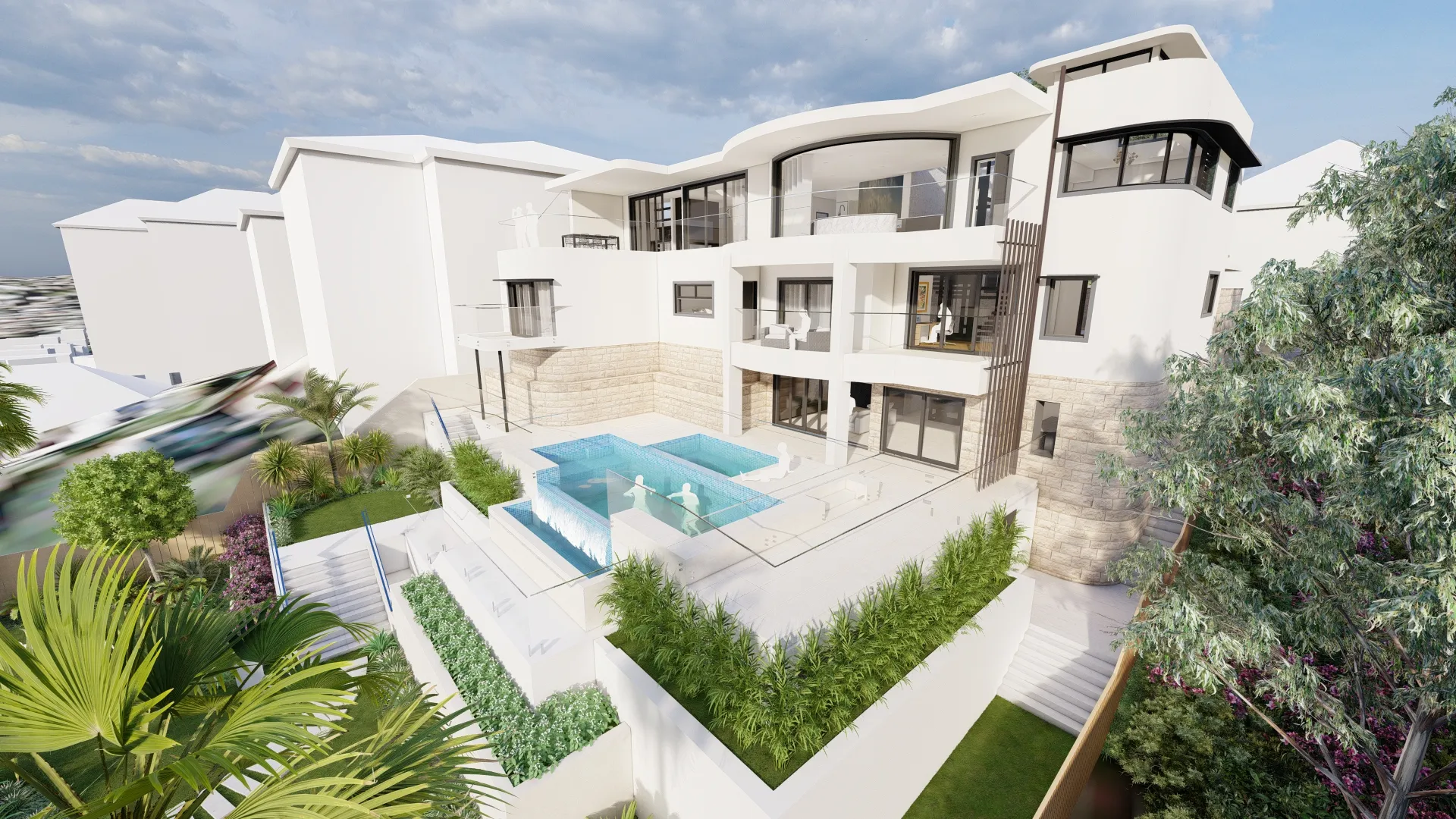
Successful recreation design strikes a careful balance between performance, user experience, and environmental responsibility. Spaces must meet the technical demands of athletes while also providing comfort and accessibility for spectators and everyday users. At the same time, sustainable design principles are becoming increasingly important, with a focus on energy efficiency, durable materials, and environmentally responsive solutions. By integrating these elements seamlessly, designers can create spaces that not only perform at a high level but also reduce operational costs and contribute positively to the environment, ensuring a lasting impact both socially and ecologically.